The main aim of our day was to get to our Shukuba (post-town) lodging that we rented out for two nights along the Nakasendo in the Kiso Valley. It is a 280km journey from where we stayed in Saitama to Suhara-juku, a lesser-known post-town north of the famous Magome and Tsumago, which we planned to hike the following day. We had a slow start to the day, and thanks to our adventure on Death Mountain the day before, our legs were so sore! We packed up the car, had a little walk around the small farm town we were staying in, and hit the road at 9am.


There are several routes between the two places, but none direct thanks to the mountainous topography of central Japan. We picked the northern route, which went up to Nagano city and then back down south on the other side of the mountain range. Our first stop of the day was Azumino in Nagano prefecture, home to many museums, illustrators, wasabi, and a gateway to the Alps. We decided to visit Daio Wasabi Farm and learn all about how wasabi is farmed. It was another boiling hot day now we were down in the valley, so a walk around a river sounded ideal.
Wasabi is a fussy plant to grow, it requires the freshest moving water and cool temperatures of around 15°C which seems challenging for a Japanese summer. To provide these conditions black sheets are suspended above the rivers where the wasabi grows, and are covering the plants for four days with a break for some sunlight. There were miles and miles of covered wasabi in the rivers, it must take so much time covering and uncovering them. With how labour-intensive it is to cultivate wasabi it is no wonder that real wasabi is so expensive and most places outside of Japan sell horseradish as wasabi instead.
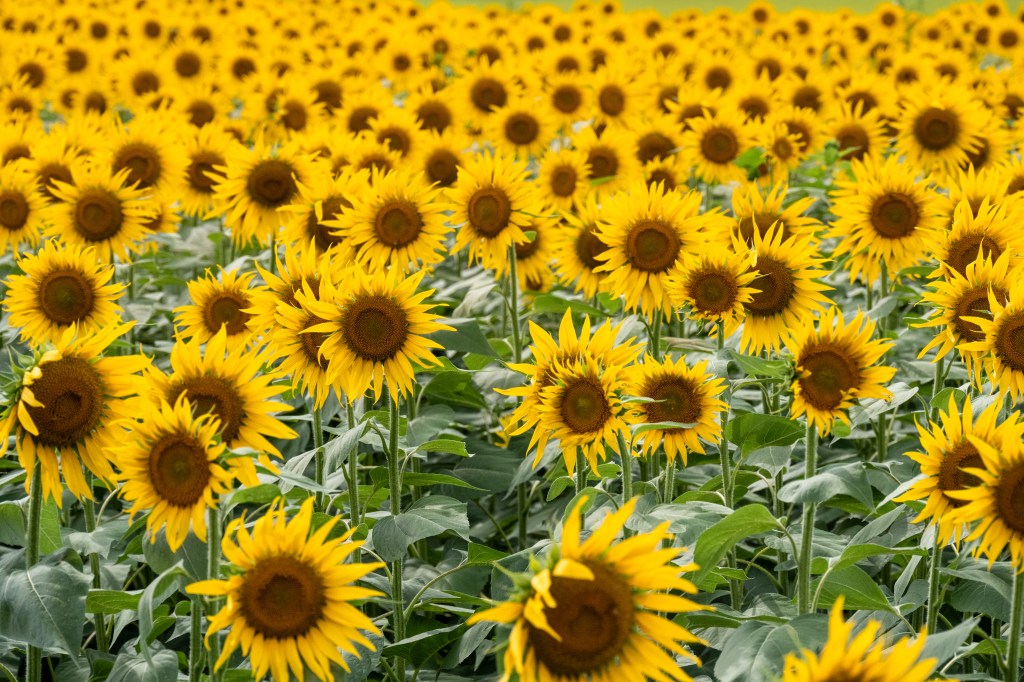
Although the river sounded like a cooler area to explore, unless you were under the wasabi beds, it was a blisteringly hot day, and so we soon fled the area after sampling some wasabi ice cream (not spicy, sadly). On our way out of the area, we stopped at a farmers market, drawn in by their field of enormous sunflowers. Japan loves its seasonal flowers, and mid-summer is characterised by Himawari—sunflowers and I had been waiting to see them! We soon needed to get back on the road and head south to the Kiso valley and our shukuba for the night.
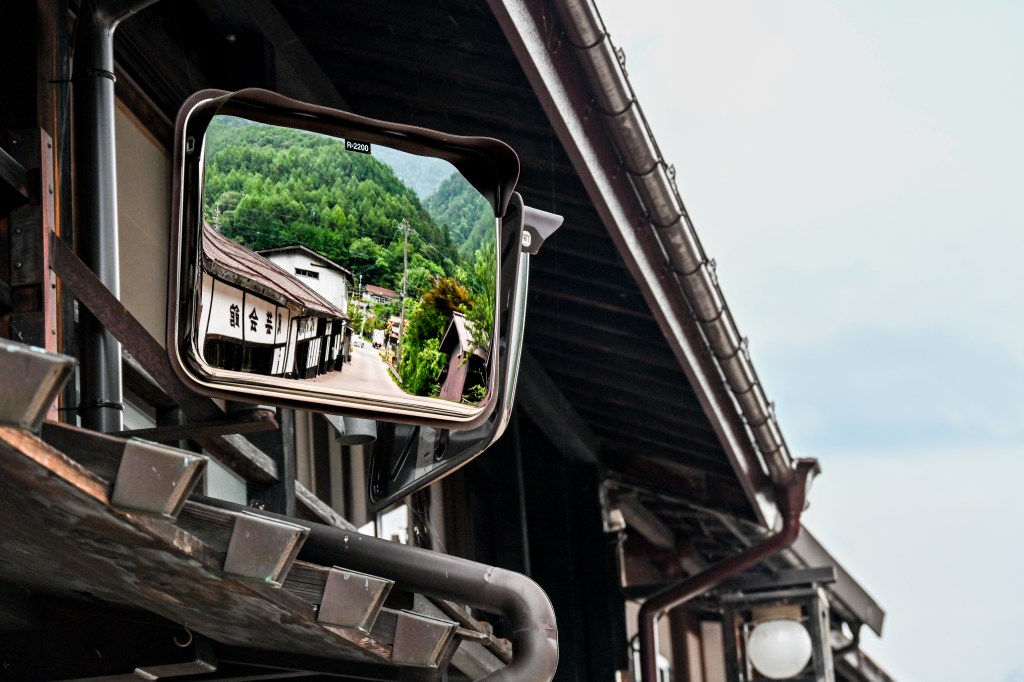
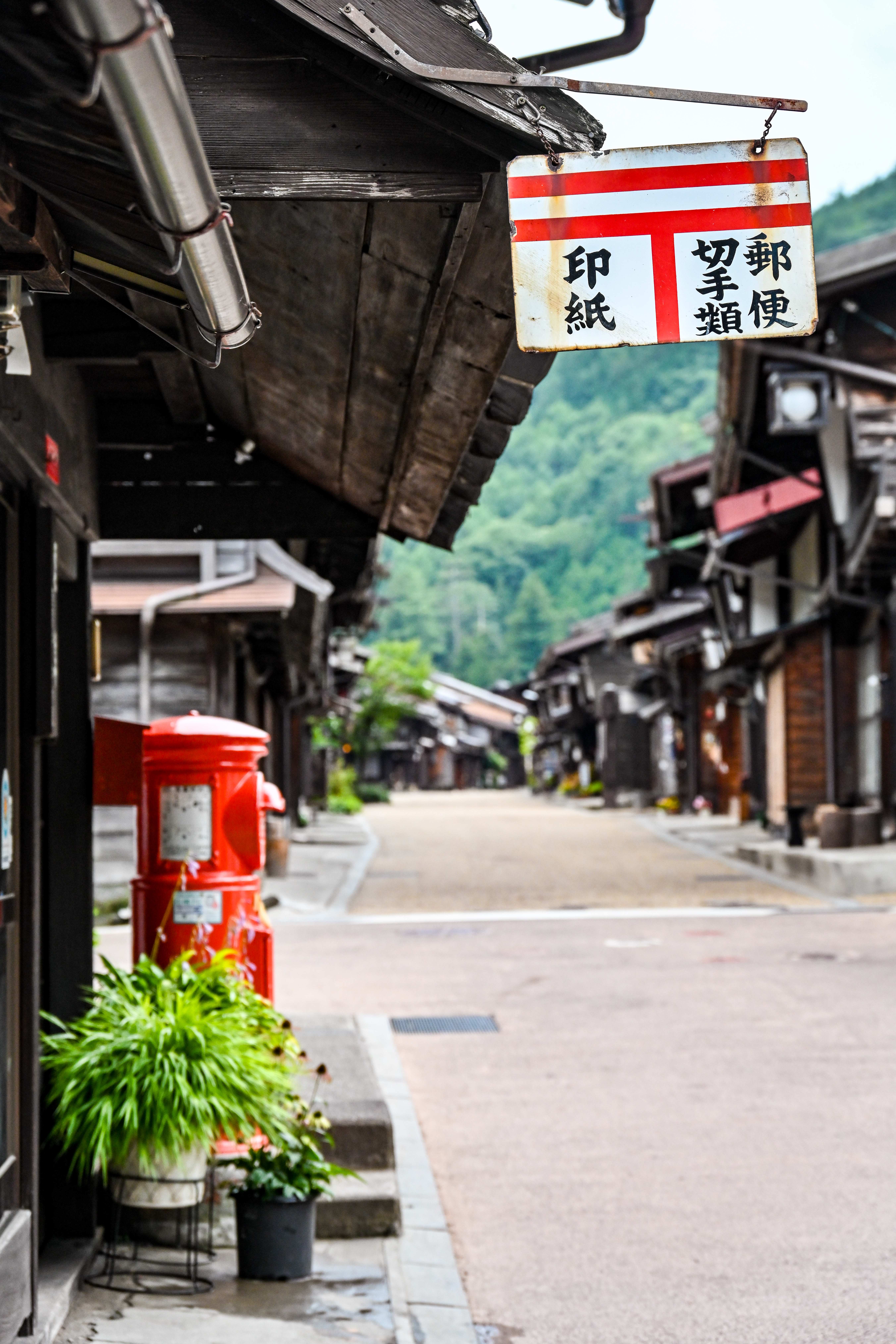
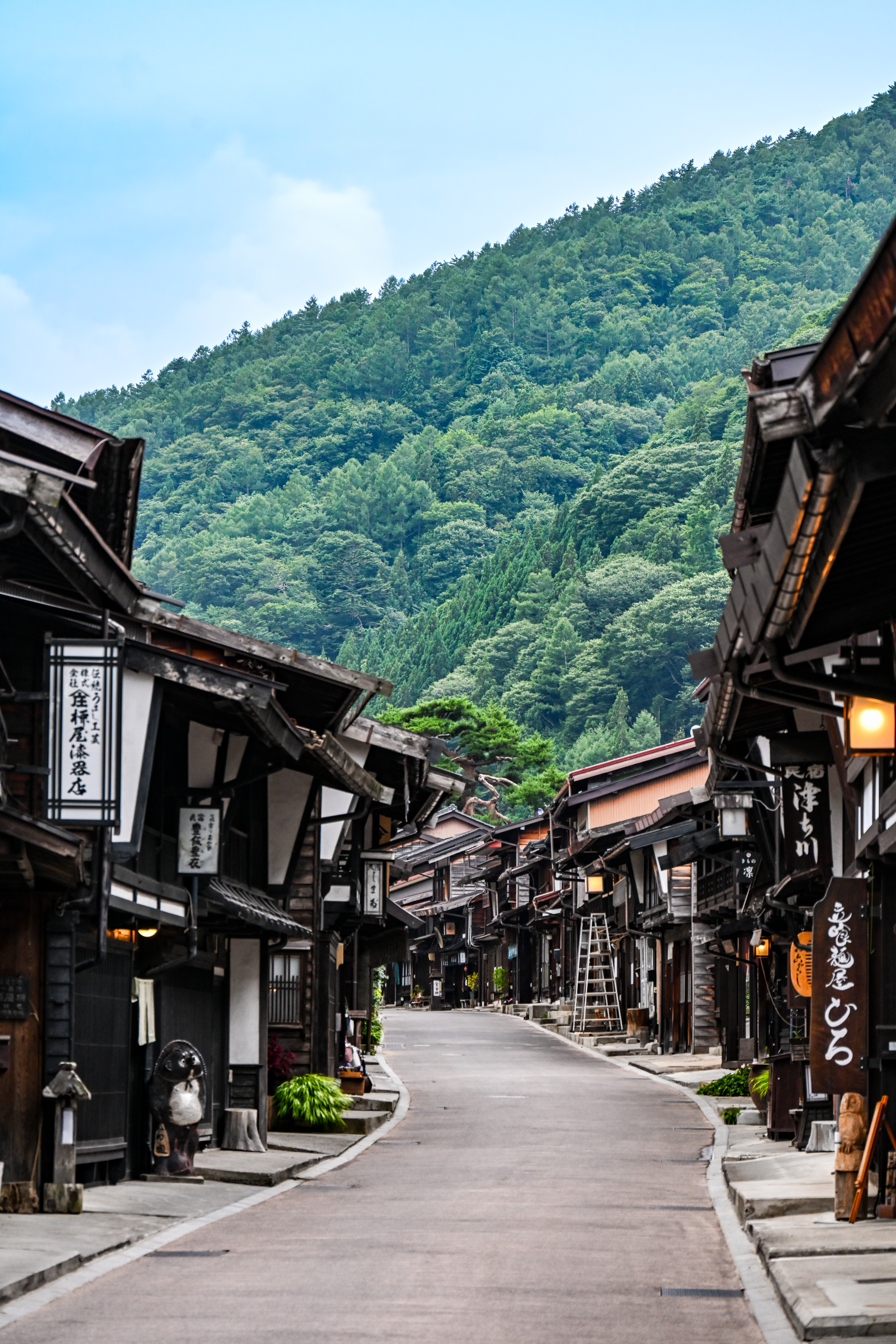
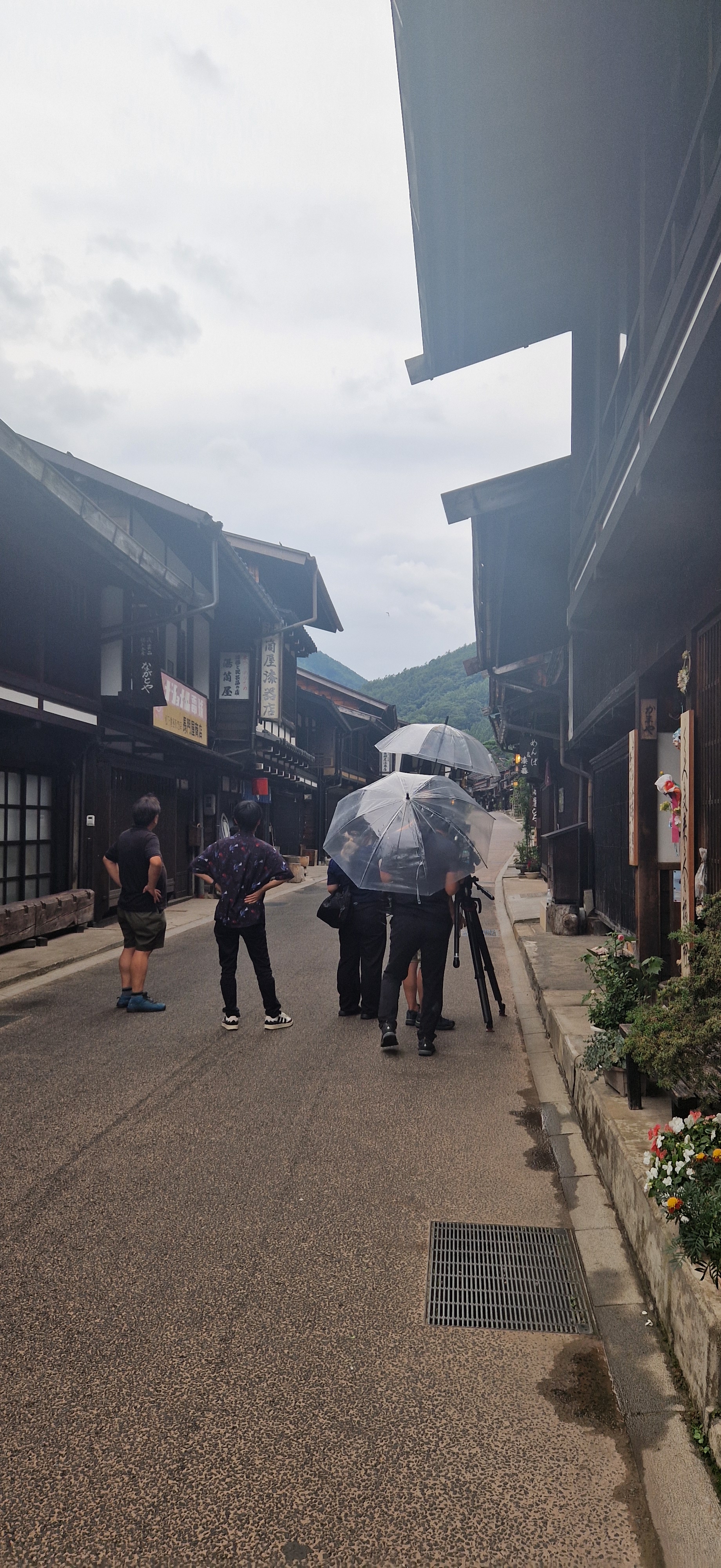
The Kiso valley is a beautiful area of Japan, and was a main travel route between Kyoto and Tokyo since the 1600’s. The route being so lengthy many post-towns grew along the route as lodging for weary travellers. For the Nakasendo (middle route) there were 69 post towns but only a few are maintained as they were hundreds of years ago. Narai-juku is one of the best known in all of Japan and is absolutely stunning. It was getting near to the end of the day so the streets were mostly clear and we got to really experience the town. Just as I was about to get “the shot” that I visited for a van pulled up in front of us in the road and a whole gaggle of people got out and stood directly in front of me. Absolutely randomly a camera crew had arrived to get B-roll shots and they hogged the road until the rain pelted down and we had to leave without getting the shot I wanted.
We finally arrived in Suhara-juku where we were staying in one of the maintained shukuba lodgings from over 100 years ago. I was really excited to stay in a part of history and get to explore it slowly as we had the place for two nights. When we got there the owner of the place greeted us and I had what felt a lot like a Japanese language test going through all of the information and paperwork in Japanese. There were lots of strict instructions, such as what appliances can be used simulteously, and also a confusing layout to get used to, but finally we had the place to ourselves and could explore. There were 8 bedrooms in total, along with the living roo, containing the irori, a hinoki bath, and a new kitchen area. It was so well decorating and fascinating to spend time exploring.

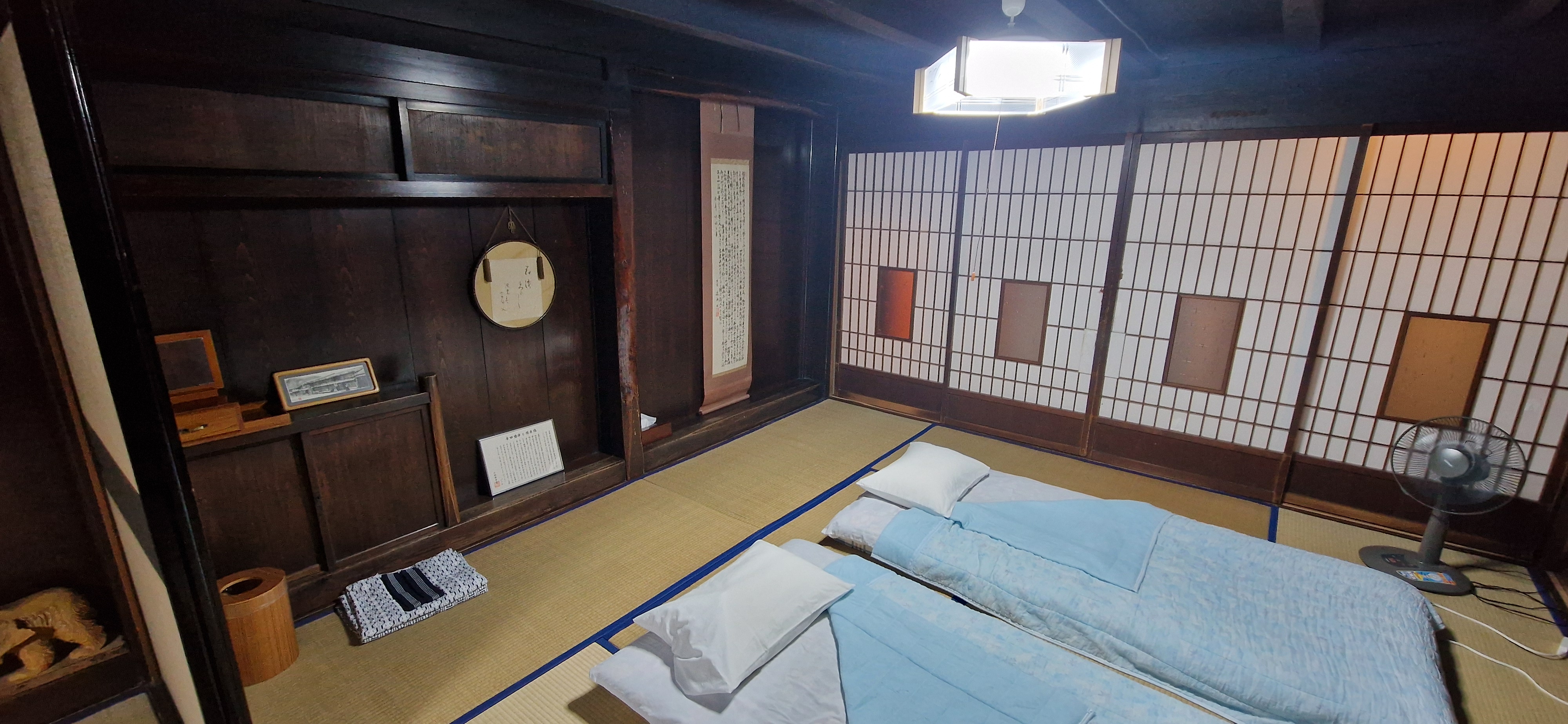
Before long it was time to get to bed in the only room with an air con unit so we would be rested for our day hiking Magome and Tsumago in the morning.
 My Nihon